New City Trenchless explains why root intrusion is a common lateral failure in Rockland County: short clay pipe sections with a joint every few feet, running under streets lined with mature trees. That combination gives roots many entry points and decades to exploit them.
Roots Do Not Break Pipes, They Find Broken Pipes
This is the part most homeowners have backwards. A root tip cannot bore through the wall of sound vitrified clay or intact PVC. What it can do is follow a gradient.
A warm sewer lateral in cold ground leaks water vapor and nutrients out through any gap in its wall. In winter that vapor plume is a beacon in otherwise frozen soil. Root hairs grow toward it, and when they arrive at the source they find a hairline opening at a separated joint, a crack, or the annular gap around a badly made connection. A root tip only needs a fraction of a millimeter of clearance.
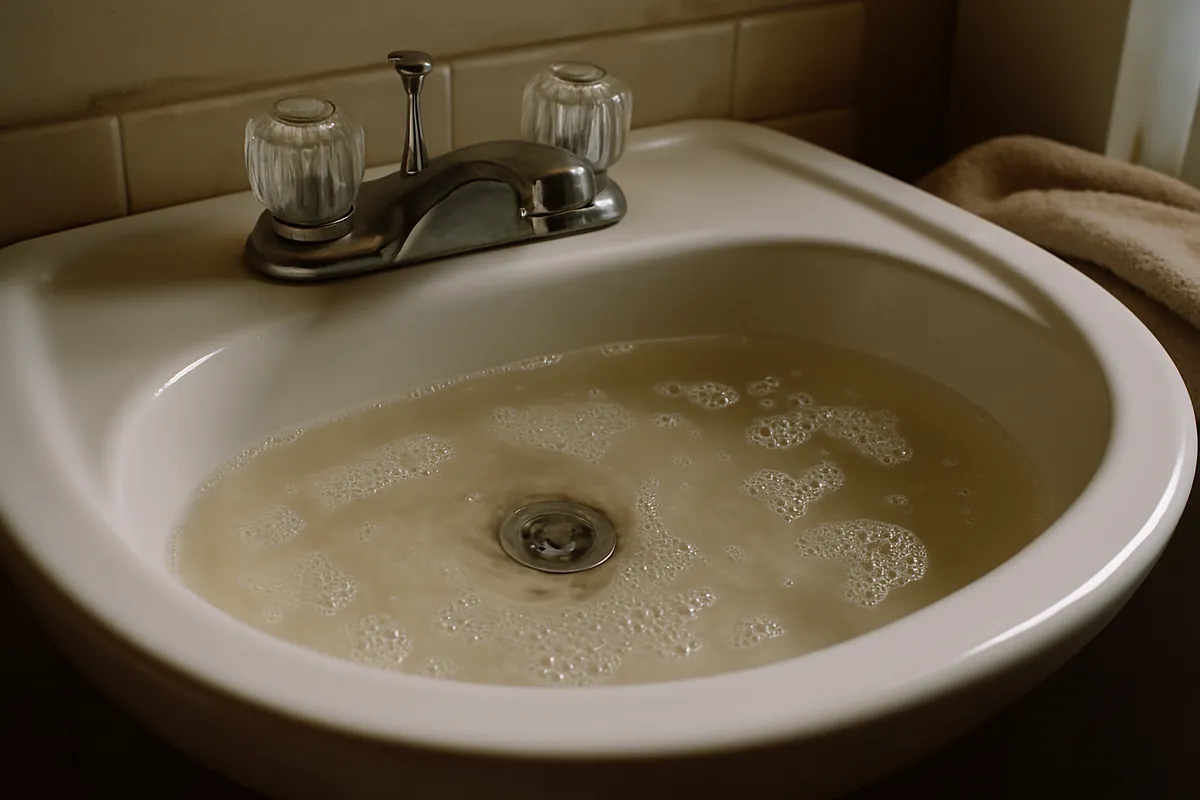
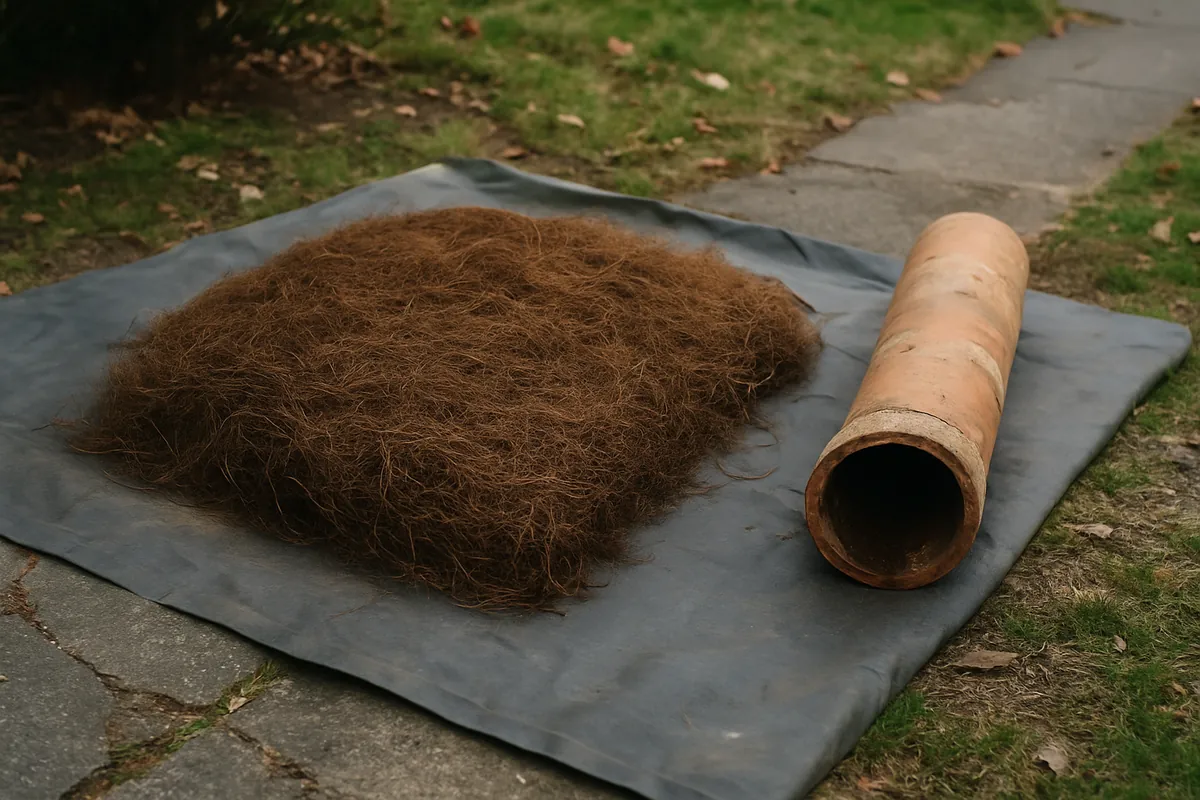
Once inside, everything changes. The root is now sitting in warm, wet, nutrient-rich conditions with no competition. It thickens into a mass, catches paper and grease, and the mass becomes a dam. By the time you notice slow drains, the pipe has been leaking for years.
Then it gets worse mechanically. The root that entered as a hair becomes a structural member expanding inside a brittle pipe, and it levers the joint further apart with each season of growth. That is how a minor defect becomes a broken pipe.
Why This County Is Especially Bad for It
Three local factors stack up.
Clay tile with joints every few feet. The postwar tract build-out that followed the opening of the Tappan Zee Bridge in 1955 filled New City, Nanuet, Bardonia, Congers and Valley Cottage with houses on clay tile laterals. Clay itself is durable, but a run assembled from short sections has dozens of joints, and every joint is a candidate entry point once the original mortar or gasket has aged out.
Older housing in the river villages. Nyack, Piermont, Haverstraw and Tappan have pre-1940 and nineteenth century housing on laterals much older than the postwar stock, along streets whose trees have had a century to work. These villages hold the oldest pipe and the largest trees in the county at the same time, which is why they generate a disproportionate share of root calls.
Freeze-thaw cycling. Rockland winters push ground through repeated freeze and thaw. Soil heaves and settles, joints work loose, and the seasonal cycle that opens a joint by a hair also creates the strongest vapor gradient of the year for a root to follow.
Add the terrain. Hudson slope towns move groundwater laterally through the soil, and low-lying ground near the Hackensack headwaters keeps root zones permanently moist, which makes shallow rooting the successful strategy for a tree here. Shallow roots are exactly the ones that find laterals.
Which Species Cause the Most Trouble
Root aggressiveness tracks growth rate, water demand and rooting depth. The New York State Department of Environmental Conservation and the extension system run by Cornell Cooperative Extension both publish species guidance worth reading before you plant anything near a known lateral run.
| Species | Risk | Why |
|---|---|---|
| Willow | Very high | Fastest water-seeking roots of any common Northeast tree |
| Silver maple | Very high | Shallow, vigorous, extremely common in older neighborhoods |
| Poplar and cottonwood | Very high | Fast growth, wide shallow root plate |
| Elm, sweetgum, sycamore | High | Large mature spread, aggressive surface roots |
| Norway maple | High | Dense shallow mat, planted heavily as a postwar street tree |
| Oaks, most conifers | Lower | Slower growth, deeper taproot habit |
Distance is not the protection people assume. A mature tree’s root system commonly extends well beyond the drip line, so the willow three lots over is not automatically innocent. What matters is whether a root found a defect, not how close the trunk is.
Cutting, Jetting and Lining Are Three Different Things
Mechanical cutting
A rotating cutter head on a cable shears the root mass off flush with the pipe wall. It restores flow the same day, and it is the right emergency response when a house is backing up. What it does not do is touch the root system outside the pipe or close the opening the root came through. You have pruned a plant, and pruning encourages regrowth. Standard drain cleaning is triage, not a repair.
Hydro jetting
High pressure water at the right nozzle configuration scours the pipe wall back to bare material, taking the fine root hairs, the grease film and the accumulated scale that a cutter leaves behind. Hydro jetting gives a much cleaner result and a much better camera picture afterward, which matters because you cannot assess a pipe you cannot see. It still does not close the entry point.
Lining the entry points
Cured-in-place lining installs a resin-saturated tube inside the existing pipe and cures it into a continuous jointless wall. There are no longer any joints to enter, no vapor escaping to follow, and no gap wide enough for a root tip. Roots outside the pipe carry on living and simply have nothing to exploit. This is the intervention that ends the cycle, which is why trenchless pipe lining is the standard answer to chronic root intrusion rather than a schedule of cuttings.
Where the pipe is too deformed to host a liner, which is the usual verdict on Orangeburg that has gone oval, pipe bursting achieves the same sealed result by pulling in fused HDPE that has no joints at all.
Why Cutting Alone Is a Repeating Bill
Run the arithmetic over a decade. A cutting visit is cheap on the day. Two visits a year for ten years is not cheap, and at the end of it you own the same failing pipe, now with ten more years of joint levering and a defect list that has grown. Meanwhile every one of those years the lateral has been leaking, either exfiltrating sewage into your soil or admitting groundwater into the collection system. The infiltration side of that problem is why sanitary sewer overflows are a regulatory concern for utilities nationally, as the EPA’s wastewater permitting program documents, and private laterals are a large and largely unmeasured contributor.
The decision point is simple. If the camera shows one entry at one joint in an otherwise sound clay line, a sectional spot repair at that joint may be all you need, at $1,500 to $4,000. If it shows roots at eight joints across the run, cutting them is a subscription and lining is the exit.
Root Barriers and What They Can Realistically Do
Physical root barrier panels, installed vertically in the soil between a tree and a structure or utility, redirect roots downward instead of letting them travel horizontally at their preferred depth. They work best as prevention on new planting or new pipe, where you can place the barrier before roots are established. Retrofitting a barrier along an existing lateral means trenching the length of the run, which costs more than trenchless repair of the pipe itself and fixes nothing that is already broken.
Chemical treatments have the same structural problem as cutting. Copper sulfate crystals flushed down a toilet mostly settle out in traps and low spots long before they reach the root mass. Foaming products labeled for sewer use do better contact-wise, but they kill tissue inside the pipe and leave the crack open for the next root. Whatever the label promises, no chemical repairs a pipe.
Planting decisions are the one place prevention genuinely pays. Know where your lateral runs, and keep aggressive species well off that line when you plant new. Tree root removal is a service worth having once. It should not become an annual event.
Your Next Step
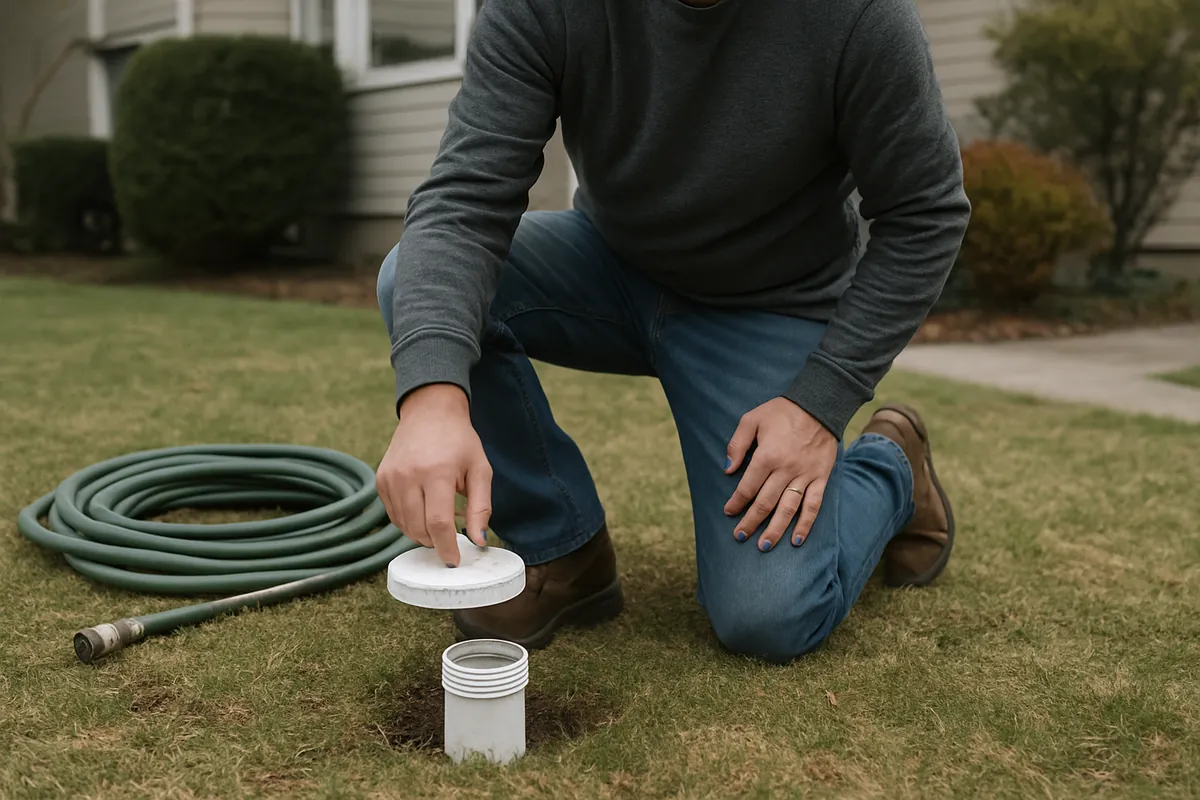
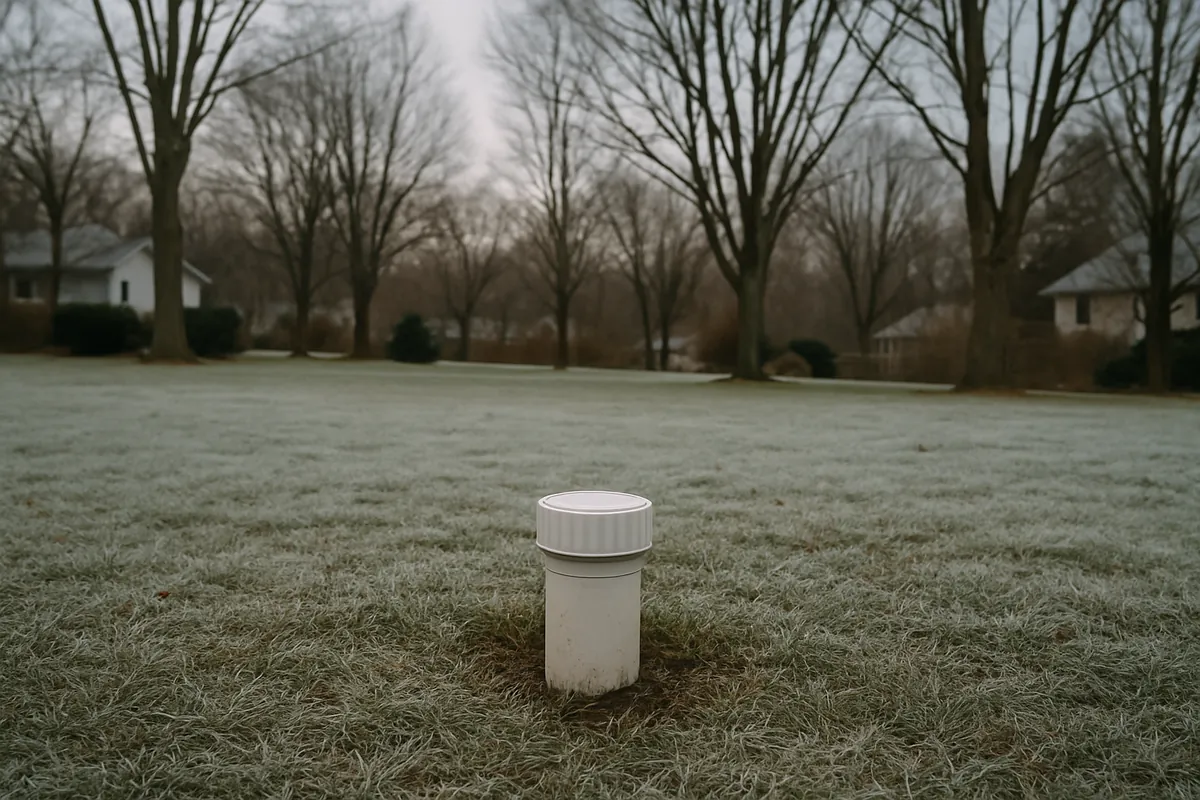
If your drains have slowed twice in the same year, or a cleaning company has been out more than once, stop paying for repeat cleanings and get the line looked at. A camera inspection at $250 to $500, often credited against the repair, shows exactly how many joints are compromised and whether you are dealing with one entry point or a run that has been colonized end to end. That single distinction decides whether your fix costs $1,500 or $12,000, and you cannot guess it from the top of a cleanout.
Related Rockland County Sewer Guides
Check the warning signs of sewer failure, build a sewer line maintenance plan, and learn why postwar clay tile joints attract roots.
Common Questions
Do tree roots break sewer pipes, or find pipes that are already broken?
Almost always the second. A root cannot drill through sound vitrified clay. It follows moisture and nutrient vapor escaping from a joint that has already separated or cracked, threads a hair-thin tip through the gap, then thickens inside the pipe where conditions are ideal. The defect comes first, the root second.
How often will I have to cut roots out if I do nothing else?
It varies with species and growing season, but cutting removes the growth inside the pipe and leaves the entry point and the root system outside untouched. Regrowth starts immediately. Homeowners on a cutting-only plan typically end up on a recurring schedule that never gets cheaper and never ends.
Does copper sulfate down the toilet work?
Poorly. Crystals flushed from a fixture settle out long before they reach the root mass, and even where a foaming product does contact roots, it kills tissue inside the pipe without closing the crack that let the root in. It is a symptom treatment with no effect on the defect.
Do I have to remove the tree?
Usually not. Sealing the pipe is the intervention that works, because a lined or replaced lateral gives roots no opening and no moisture signal to follow. Removing a mature street tree is often not the homeowner's decision anyway, since street trees in the right of way generally belong to the town or village.
Which trees cause the most sewer trouble around here?
Fast-growing, water-seeking, shallow-rooted species are the worst: willow, silver maple, poplar and cottonwood, elm, sweetgum and sycamore. Norway maple is a frequent offender simply because it was planted so heavily as a street tree across the postwar Northeast. Slow-growing oaks and most conifers cause less trouble.