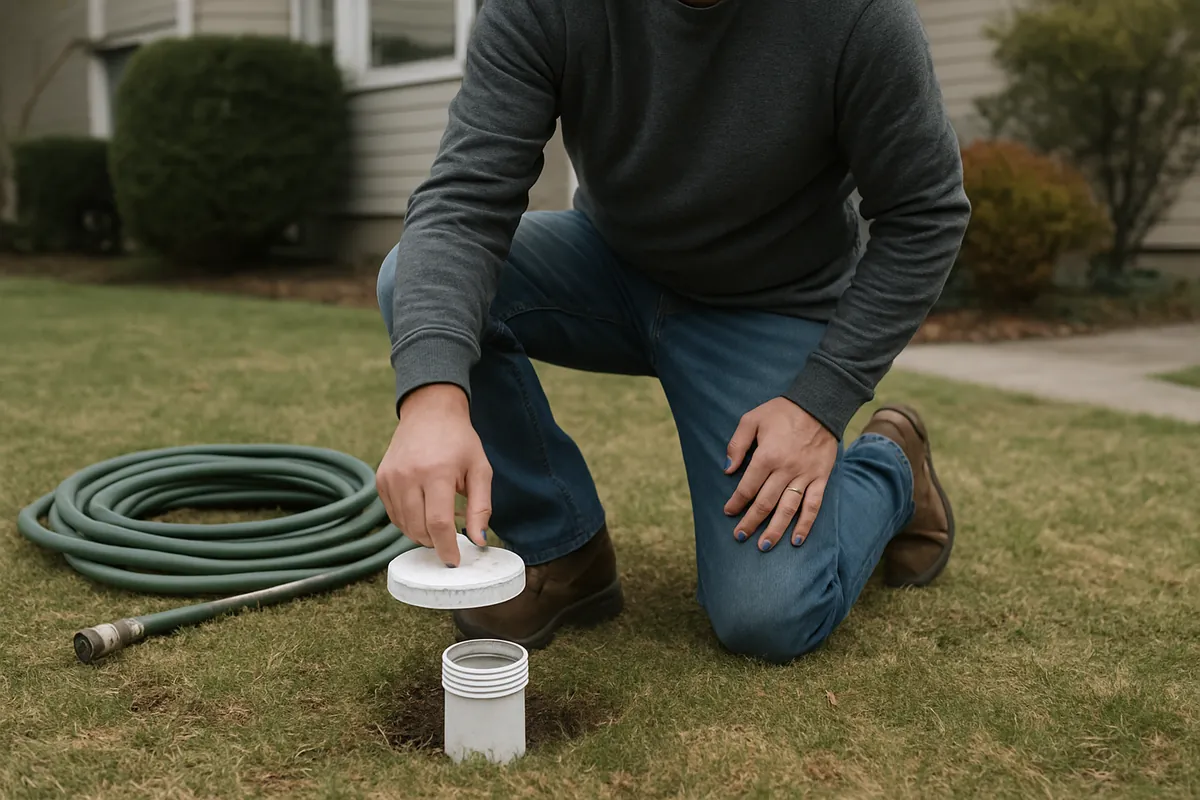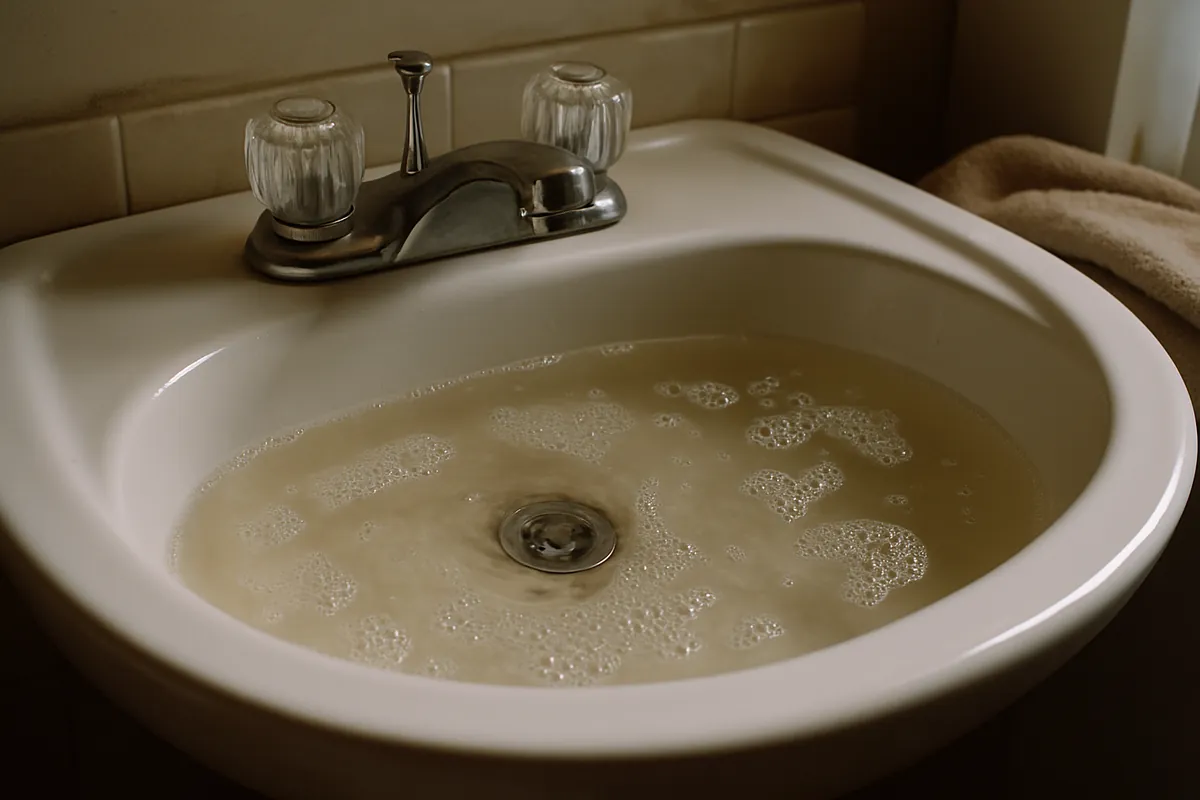
New City Trenchless gets the same question from homeowners across Rockland County every week: should this line be snaked or jetted? The honest answer is that they do different jobs, and the wrong choice on an aging clay, cast-iron or Orangeburg lateral can cost more than the cleaning itself.
Two Different Jobs, Not Two Prices for the Same Job
A cable, or snake, has a rotating or rigid head that is pushed through a blockage until it punches a path water can move through. It is fast, it is the cheaper visit, and for a single isolated clog in an otherwise sound pipe it is exactly the right tool. What it does not do is clean the pipe. It opens a channel through whatever was blocking the line and leaves the rest of the material, grease film, scale, root stubs, stuck to the wall around that channel.
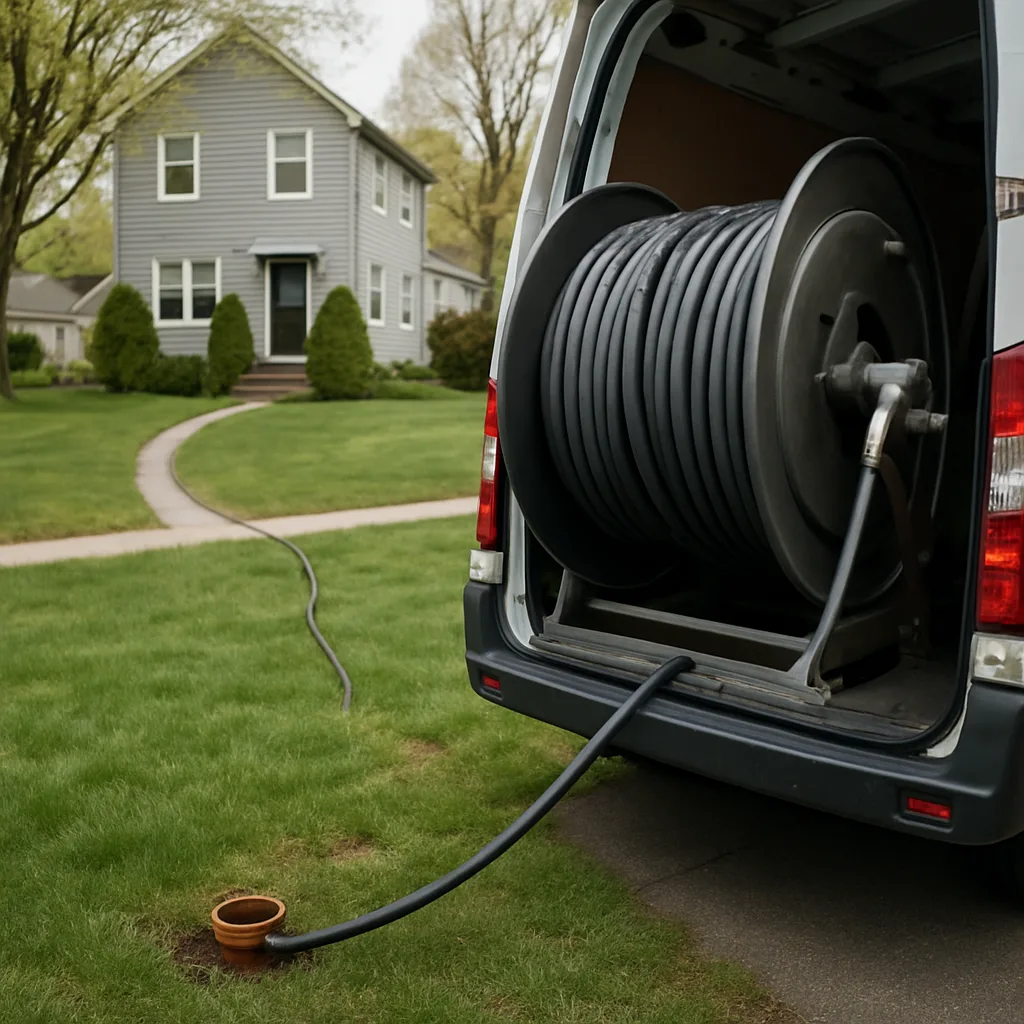
Hydro jetting uses a high-pressure water nozzle, commonly running 1,500 to 4,000 PSI on a residential lateral, pulled through the line by its own rear-facing jets. Instead of punching a hole, it strips the full circumference of the pipe wall back to bare pipe. That is the difference that matters: a cable treats the blockage, a jetter treats the pipe.
When a Cable Is the Right Call
Snaking earns its place for a single, isolated clog in a line that has no history of repeat problems. A sink line stopped by a wipe, a lateral blocked once by a root mat that has not caused trouble before, or a fixture drain that backed up after something obviously wrong went down it are all good candidates for a cable. It is quick, it is less expensive, and if the pipe is sound, it stays clear for a long stretch afterward.
The tell that a cable was the right tool is what happens next: nothing, for months. If the same line needs cabling again within a few months, that is no longer a one-time clog story.
When Jetting Is the Right Call
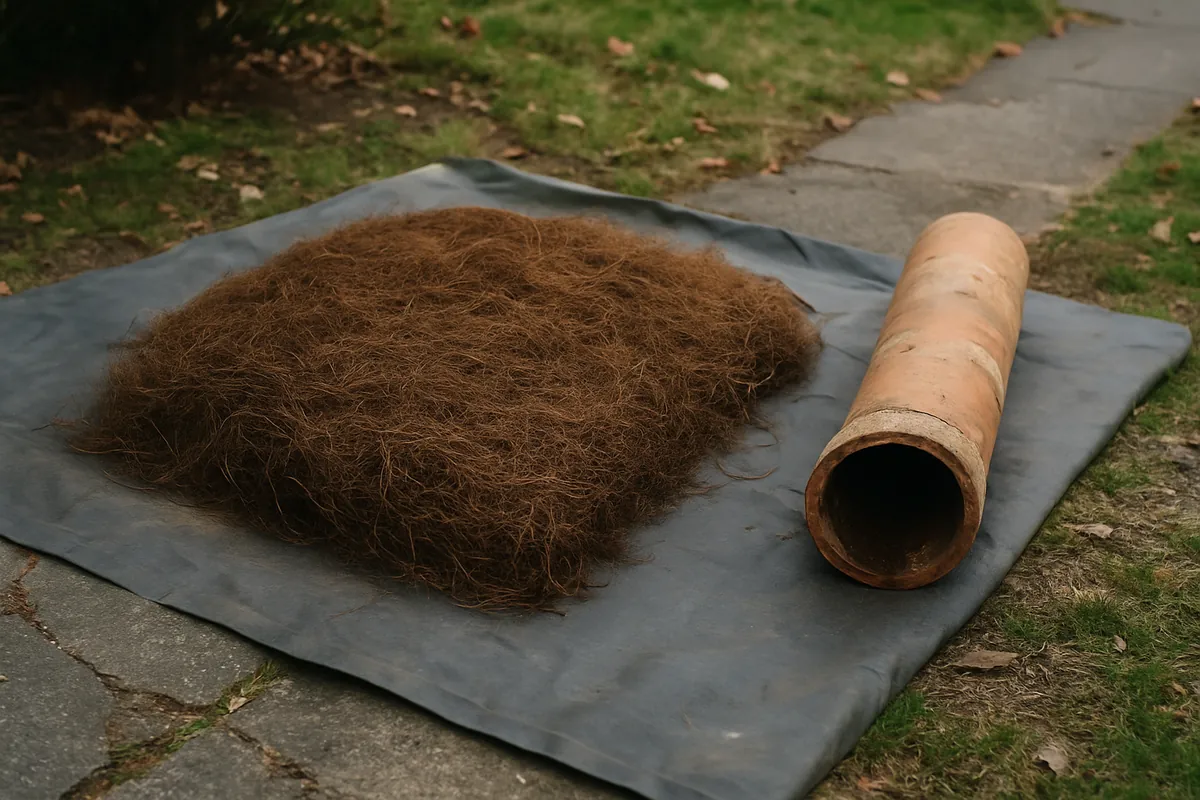
Grease buildup, scale on cast iron, and root masses that have been growing in a clay joint for more than one season all respond to jetting in a way cabling cannot match. A cable can bore a path through a root mat and leave most of the mass in place along the walls; jetting’s rotary root-cutting heads shear the growth flush with the pipe wall across its full circumference, and a flusher pass afterward carries the cut material down to the main instead of leaving it to settle in the next low spot.
Jetting is also the required prep step ahead of any trenchless pipe lining job. A cured-in-place liner has to bond against bare pipe; if the host pipe still carries grease or scale when the liner goes in, it cures against debris instead, which can leave voids behind the new pipe. That is why jetting is priced inside the lining job rather than added on afterward.
Rockland’s Pipe Materials Change the Calculation
Rockland County’s lateral age and material mix make this a sharper decision here than in newer housing stock. Vitrified clay, laid with a mortared joint every few feet across the postwar tract build-out, is durable at the pipe itself but vulnerable at every joint, where roots from the county’s mature street trees find their way in. Clay handles jetting well and benefits from it, since a rotary cutting head clears the mat back to the wall far more completely than a cable can.
Cast iron, common in older stock and under additions from eras when iron stub pipe was standard, fails from the inside as tuberculation and scale build inward and channeling wears a trough along the invert. Jetting’s descaling nozzles restore the bore, but only after a camera confirms how much sound wall is left; a channeled section that has thinned too far can fail under jetting pressure the same way it fails under its own corrosion.
Orangeburg is the pipe that changes the answer outright. The bituminized wood fiber pipe manufactured in Orangeburg, NY decades ago does not crack like clay. It softens and delaminates, and high-pressure water aimed at a softened wall can turn a routine cleaning into a collapse. A camera should identify Orangeburg before any jetter touches that line, and in many cases a soft Orangeburg run should not be jetted at all.
Snaking, Jetting and the Comparison Side by Side
| Snaking | Hydro jetting | |
|---|---|---|
| What it does | Punches a path through the blockage | Cleans the full pipe wall circumference |
| Best for | A single, isolated clog in a sound pipe | Grease, scale, and recurring root mats |
| Typical cost | Lower per visit | Higher per visit, often included in a lining job |
| Risk on fragile pipe | Can push through a weak or collapsing section | Can delaminate softened Orangeburg fiber pipe |
| Leaves behind | Grease film and debris along the wall | Bare pipe wall, ready for a camera or liner |
When Cleaning Stops Being the Answer
Both methods clean. Neither repairs a structural defect, and a line that keeps blocking despite good cleaning is telling you something a cable or a jetter cannot fix. Two clearings on the same line within a year is reasonable grounds for a sewer camera inspection at $250 to $500, usually credited against further work. Three clearings without a camera in between is hard to justify.
The camera settles the question a cleaning cannot: whether roots keep returning through a single open joint, whether a belly is holding standing water that will collect debris again no matter how well the line was cleaned, or whether the pipe itself, clay, cast iron or Orangeburg, has reached the point where sewer line repair or replacement is the actual fix rather than another cleaning visit.
A Simple Way to Decide
Call 845-507-6985 and describe what is happening: a first-time clog usually gets a straightforward cable visit, grease or a known recurring root mat usually gets jetting, and a line that has backed up more than once in the past year gets a camera recommendation before either tool goes near it. We service drain cleaning calls across New City and the rest of Rockland County on that same logic, including Nanuet and the rest of Sewer District No. 1 towns, where clay, cast-iron and Orangeburg laterals all show up under the same streets. If roots are the recurring issue specifically, our tree root removal page covers what actually stops the cycle instead of just buying another season.
Common Questions
Which costs more, snaking or jetting?
Snaking a single clog is usually the cheaper visit. Jetting costs more per visit because it is a bigger machine and a longer process, but when jetting is done as the cleaning stage ahead of a lining job it is commonly included in the full-lateral price rather than billed on its own. Either way, a quote should follow a look at the line rather than a phone guess.
Can jetting or snaking damage my pipe?
Sound clay, cast iron and PVC both handle either method well. The exception is Orangeburg fiber pipe, which can delaminate under jetting pressure, and any pipe that is already close to collapse, which a cable can push through rather than around. That is exactly why a camera inspection belongs before the cleaning, not after.
If roots keep coming back, does that mean I need a new pipe?
Not automatically. Roots return through the same clay joint every season regardless of whether a cable or a jetter cleared them last time, because cutting the root removes the growth but leaves the entry point open. Sealing that joint is the fix that stops the cycle, usually with trenchless pipe lining, and a camera confirms whether lining is still an option for that run.
How do I know when it is time for a camera instead of another cleaning?
Two clearings on the same line within a year is reasonable grounds for a camera. Three is hard to justify skipping. If the interval between backups is shrinking rather than staying steady, that pattern points at a structural defect feeding the blockage, not a one-time clog, and cleaning alone will keep buying less time with each visit.
Is it safe to jet an old Orangeburg lateral?
Generally no. Orangeburg is bituminized wood fiber pipe, and once it has started to soften it can delaminate under the pressure a jetter puts on the wall, turning a routine cleaning into a collapse. A camera should confirm the pipe material and its condition before a jetter goes anywhere near a lateral from that era.