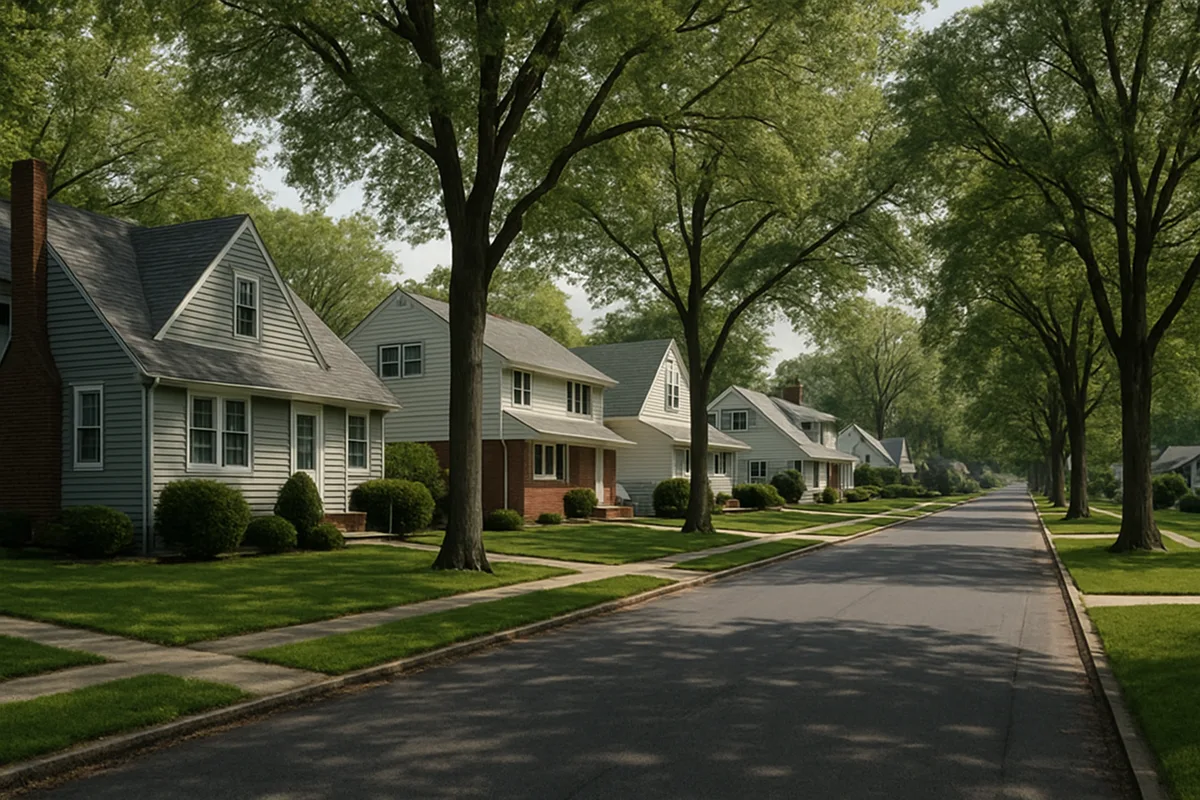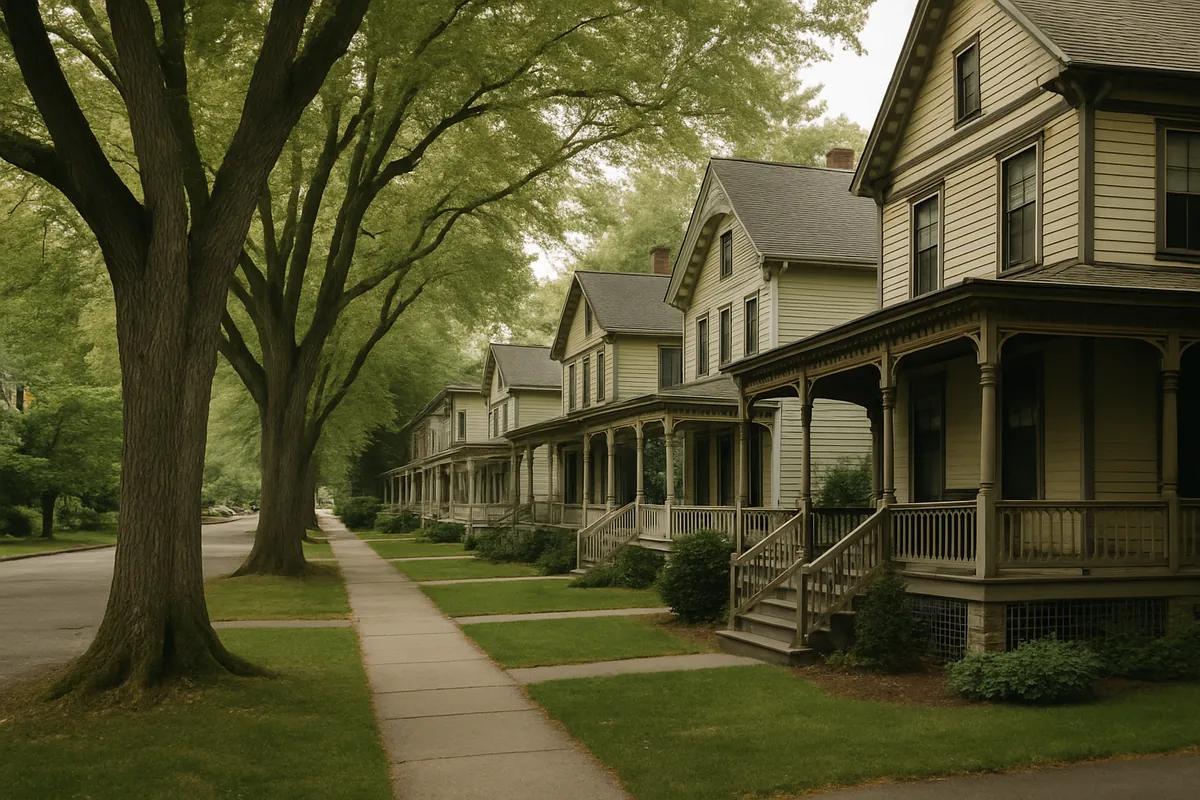
New City Trenchless covers trenchless sewer repair in Upper Nyack with a camera inspection before any lining or bursting is proposed. This small Hudson River village sits along the edge of Clarkstown and Orangetown, where older housing and lots that fall steeply toward the water both shape how a lateral should be diagnosed and repaired.
A Riverside Village With Pipe Older Than It Looks
Upper Nyack grew as a quiet residential extension of the busier river town just south of it, and much of its housing predates the subdivisions farther inland. A lateral installed decades ago has had that long to develop open joints, root intrusion, or a section that has settled out of alignment. None of that is visible from the yard. The only way to know what is actually in the ground is to look at it directly.
The village line also sits near the boundary between Clarkstown and Orangetown, which matters less for the physical pipe than for knowing which municipal contacts apply to a given address. The lateral itself, from the house to the public main, is the owner’s responsibility regardless of which side of that line a property falls on.
Steep Lots Change How a Pipe Should Be Read
Much of Upper Nyack drops toward the Hudson, and a lateral on a sloped lot behaves differently than one on flat ground. Fall can be generous in places, which helps keep solids moving, but a single offset joint or a flattened section partway down the run can still hold water and sediment even on a steep property. The grade has to be read section by section rather than assumed from the overall slope of the yard.
Access on these lots deserves its own attention. A cleanout at the top of a slope may be the only practical entry point, and the route from there to the public connection can pass beneath retaining walls, terraced plantings, or a driveway cut into the hillside. Locating the actual pipe path and depth before discussing repair options keeps the proposal grounded in what is really there rather than in the surface distance between two points.
| Lot condition | Inspection focus | Likely consideration |
|---|---|---|
| Steep slope toward the river | Grade continuity along the full run | Confirm no flat or low section interrupts fall |
| Stone wall or terrace over the route | Exact depth and alignment | Favor access that avoids disturbing the structure |
| Driveway crossing the lateral | Load and prior patching | Check for past repairs under pavement |
| Older cast-iron or clay construction | Wall condition versus joint condition | Camera determines what cleaning and lining can address |
Clay and Cast Iron Call for Different Judgments
Clay pipe in Upper Nyack tends to fail at the joints well before the pipe walls give out, which is exactly the situation lining is built to address. The liner bridges the open joints and restores a continuous bore without requiring the clay itself to be in perfect shape.
Cast iron is a different question. Interior condition, scale buildup, and remaining wall thickness matter more than the material’s reputation for durability. A line that has corroded unevenly from the inside may not be a good lining candidate even if it still looks solid from outside. The camera inspection, not the pipe’s age or material alone, should decide whether cleaning and lining make sense or whether a section needs to come out.
Why the Camera Comes Before Any Method Is Named
A useful sewer camera inspection on a property like this documents more than where a blockage sits. It should record the material, the condition of the walls at multiple points along the run, and whether the grade is consistent on a lot that is rarely flat to begin with. If the camera cannot pass a section, that limitation should be stated rather than glossed over, since an unseen stretch of pipe cannot be assumed sound just because the visible portion looks fine.
On a sloped lot, this groundwork also identifies where equipment can realistically set up. A pit or access point that works on flat ground may not be practical partway down a hillside, and knowing that in advance avoids a repair plan that cannot actually be carried out as written.
Matching Lining or Bursting to What the Pipe Actually Needs
Sewer line repair and replacement in Upper Nyack generally comes down to whether the defects found are isolated or run the length of the pipe. A single damaged joint may only need a spot repair. Open joints and root intrusion spread across an otherwise intact clay or cast-iron run are a stronger case for trenchless pipe lining, which rebuilds the interior without opening a trench down the slope.
Pipe bursting replaces the host pipe outright through the same route, using access pits rather than a continuous trench. On a hillside property, that difference can mean the gap between disturbing a retaining wall or a mature planting bed and leaving it alone entirely. Bursting still needs a route free of conflicting utilities and enough working room at each pit, which the inspection and locate should confirm before the method is settled.
If the lateral includes older fiber pipe, review the Orangeburg replacement options before any cleaning or lining is attempted, since that material does not hold up the same way clay or cast iron does under pressure.
Upper Nyack Among the River Villages
Just south, Nyack shares the same river-facing slope and much of the same older housing stock, while Piermont farther down the Hudson deals with a water table close enough to the surface to change the repair method outright. Comparing notes with these neighboring villages is useful context, but a property’s actual grade and pipe condition in Upper Nyack still has to come from its own inspection. See the full list of towns on areas we serve.
Preparing for a Visit on a Sloped Property
Before scheduling an inspection, note which fixtures are affected and whether the problem shows up with everyday use or mainly after heavy rain, since that distinction can point toward infiltration on a lateral that sits partly below grade. Identify any cleanouts on the property, including ones that may have been covered by landscaping over the years, and mention them when arranging service.
If wastewater has backed up into the house, stop using fixtures that feed the affected line and describe the active backup clearly when you call. Once flow is restored, ask what the inspection found and whether anything remains unresolved. A line that drains again after cleaning can still have an open joint or a damaged wall below it, and that distinction belongs in the written recommendation. To schedule an assessment, contact New City Trenchless and describe the symptoms, the lot’s slope, and any known access points.
For another river-slope setting, South Nyack south of Nyack pairs older housing with constrained access near the bridge corridor.
Frequently Asked Questions
Can a sewer lateral on a steep Upper Nyack lot be lined instead of dug up?
Often, once the camera confirms the pipe's condition and the grade along the slope. A liner follows the existing route, so access is usually a cleanout at the top of the run rather than a trench down a hillside.
How do you inspect a lateral that runs under a stone wall or terrace?
The camera travels the pipe from an existing access point, so the wall or terrace above it is not disturbed to look inside. Locating equipment confirms depth and route before any work is proposed near that structure.
Is my house's age a reliable guide to what pipe material is down there?
Not on its own. Many Upper Nyack lots have been added to or had the lateral replaced in sections over the decades. A camera inspection settles the material and condition rather than an assumption from the house's build date.
What happens if the inspection finds a belly or low spot on a sloped lot?
Lining and bursting both follow the pipe's existing path and do not add fall where none exists. A section holding wastewater on a flat spot within a sloped run may need a targeted excavation to correct the grade.
What should I have ready before scheduling a visit?
Note which fixtures back up, whether it happens with normal use or only during heavy rain, and where any cleanouts are located on the property. Keep prior inspection footage or repair records available if you have them.