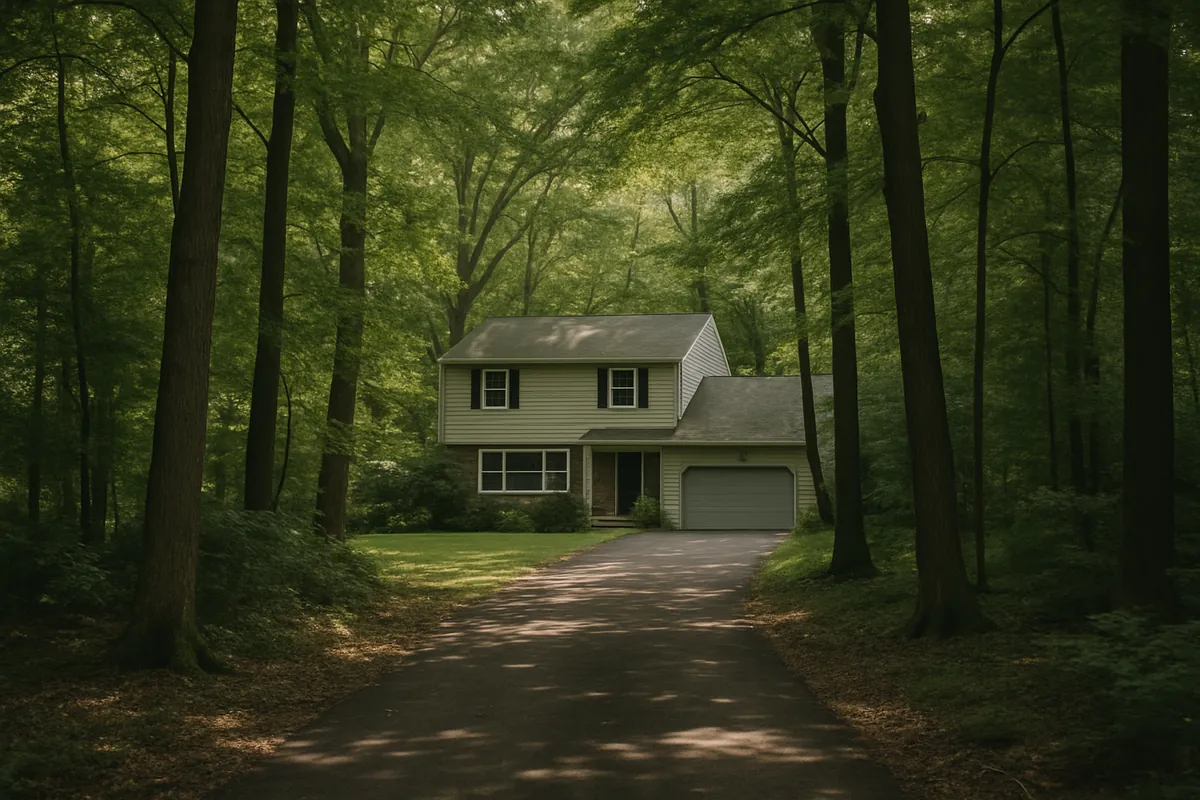
New City Trenchless covers trenchless sewer repair in Garnerville, the Haverstraw hamlet where an older clay or cast-iron lateral deserves a camera inspection before a replacement decision. A recurring backup does not establish that the entire pipe has failed. It establishes that something along the route needs to be located, identified, and measured.
A Haverstraw Hamlet, With a Property-Specific Diagnosis
Garnerville belongs in the Haverstraw service conversation, but a hamlet name does not tell us what is buried under an individual lawn. An older house may retain clay tile outside and cast iron near the foundation, while a neighboring property may have a newer replacement section. Repair records and camera footage matter more than assuming that every house on a street has the same pipe.
The practical concern is the transition between materials. A plastic patch may be sound while the next clay joint admits roots. A cast-iron section may narrow before it meets a clear outdoor lateral. The inspection should follow the whole accessible route so a repair does not stop just short of the next defect.
Clay Joints and Cast-Iron Walls Fail Differently
Clay tile is made of short sections joined together. A joint that opens or shifts can catch paper, admit roots, or allow groundwater into the line. Removing the obstruction may restore drainage without sealing the opening. That explains why a line can seem fixed after cleaning and then repeat the same backup pattern.
Cast iron needs a different reading. Scale can reduce the opening, and corrosion can damage the bottom of the pipe. Before discussing lining, the crew needs to know how much of the apparent narrowing is removable deposit and whether the remaining pipe can support preparation and installation. A dark camera image through dirty water cannot answer that question.
| Finding | What it may mean | Decision to resolve |
|---|---|---|
| Roots at one clay joint | A localized entry point | Whether a sectional repair is enough |
| Several open joints | Repeated leakage along the run | Whether full lining fits the geometry |
| Rough cast iron | Scale or wall deterioration | Whether safe cleaning reveals a usable host |
| Standing water | Obstruction or a low section | Whether grade correction needs excavation |
Keep the Lawn Out of the Diagnosis
A wooded lot makes excavation planning important, but trees above the route are not proof that roots caused the blockage. Roots need an opening to enter a sewer. The useful evidence is their position inside the pipe, the condition of that joint, and whether the same problem appears elsewhere along the run.
Marking the route before work also helps protect the property. Driveways, walks, planting beds, and access for equipment belong on the job plan. Trenchless methods can reduce continuous digging across those features, but an access pit or localized excavation may still be necessary. The proposal should show those openings rather than promise a completely untouched yard.
Garnerville and the Neighboring Service Pages
The Haverstraw page explains the older clay-and-cast-iron context in the nearby village. Stony Point provides another northern Rockland comparison, Thiells covers the adjacent Haverstraw hamlet, and West Haverstraw covers the separate riverfront village with its own denser lot pattern. Those pages help explain the regional material questions, but each property’s footage determines its repair.
Plan Around the Existing Material Transitions
For a Garnerville lateral with clay outside and iron closer to the building, ask where the proposed repair begins and ends. Sealing the outdoor joints may leave an indoor restriction untouched. Replacing a short iron section may leave roots farther downstream. The scope should explain how the inspected sections work together rather than describe the house drain as one uniform material.
If records show an earlier patch, keep them available during the inspection. A repair invoice can help locate a material change, although it cannot establish the present condition by itself. Compare that information with the footage and surface locating marks. Before work starts, confirm whether the proposal includes the transition fittings and whether access will be needed inside the building. That discussion helps turn a general trenchless recommendation into a repair plan for the actual property.
What a Useful Camera Inspection Should Deliver
A sewer camera inspection should produce more than a verbal description of a blockage. Ask for footage, the inspected length, the material seen, and the distance to each significant defect. If a section cannot be passed, the report should state that limitation. An unseen downstream segment should not be described as sound simply because the upstream section is clear.
Cleaning may be needed to expose the wall, but the method must suit the material and condition. Fragile or deformed pipe calls for caution. After preparation, a second camera pass can distinguish remaining structural damage from the buildup that initially hid it. Recordings from before and after cleaning make the recommendation easier to assess.
Match the Scope to the Defect
The sewer line repair and replacement decision starts with whether damage is isolated or repeated. One localized defect may justify a spot repair. Several leaking joints along an otherwise suitable host may support trenchless pipe lining. A crushed section, unsuitable geometry, or a badly deteriorated run may lead to replacement instead.
Pipe bursting can install a replacement through the existing route when the site allows it. It requires planning for nearby utilities and service connections. Lining does not restore missing slope, and bursting should not be promised as a universal cure for a belly. Where grade must change, the proposal needs to explain the excavation necessary to achieve it.
If inspection identifies fiber pipe, review the Orangeburg replacement options before authorizing aggressive cleaning or a liner. The condition of that material matters more than the convenience of a particular installation method.
Compare Written Proposals on the Same Basis
Ask each proposal to identify the length being repaired, the access locations, preparation, connections, and restoration included. Confirm how household sewer use will be handled during the work and what happens if preparation reveals additional damage. These questions are more useful than comparing two totals that cover different sections of pipe.
Closing footage should show the completed repair and the accessible connections. Keep that recording with the original inspection and written scope. It gives a future technician a starting point and documents where the new work meets the remaining lateral. To arrange an assessment, call 845-507-6985 and describe the symptoms, prior cleaning, and any known access points.
Frequently Asked Questions
Can a sewer lateral in Garnerville be repaired without a full trench?
Often, if the inspected pipe and access suit lining or bursting. A collapsed section, grade problem, or connection repair may still require localized excavation.
Does a camera inspection identify clay or Orangeburg?
It can help identify material, transitions, and deformation where visibility and access allow. Dirty water or an impassable blockage may require further assessment before the material is confirmed.
Will lining fix a low section of sewer pipe?
Lining follows the existing route and does not restore slope. A low section holding wastewater needs an assessment of grade and may require excavation.
Should I keep cleaning a line that backs up repeatedly?
Repeated backups deserve a documented inspection. Cleaning can restore flow, but an open joint, damaged wall, or low section may need a repair to address the cause.
What should I have ready for the first visit?
Describe which fixtures are affected, when symptoms occur, previous cleaning or repairs, and known cleanout locations. Keep any earlier footage or sewer records available.