If you suspect a flushable wipes sewer clog at your New City property, pause wastewater use and arrange an assessment before trying repeated flushes. This guide covers the active-blockage response for New City in Clarkstown, Rockland County, New York: what to record, who to alert and what to request after clearance.
Clarkstown’s warning about flushable wipes explains that wipes can catch on material in pipes and accumulate into blockages affecting homes and municipal sewers. That local warning does not diagnose your particular backup. Ask the contractor to confirm the cause and location on assessment.
Pause Wastewater Use While the Backup Is Active
Stop flushing toilets and pause laundry, dishwashing and other activities that discharge into the affected system. Tell other occupants about the pause, including anyone who might start an appliance remotely or on a timer. Do not keep running taps to see whether the blockage has gone away.
Keep people and pets away from wastewater. Avoid opening a backed-up cleanout or lifting a public sewer cover. Describe an active indoor backup when requesting emergency sewer repair assessment, and ask what precautions to take while waiting. Clearance planning should begin with the actual conditions at the property.
Record the Fixture Pattern Without More Test Flushes
Prepare a short description from what you have already observed:
- Which toilets, sinks, showers or floor drains are affected, and which appear unaffected.
- Where wastewater first appeared and what fixture or appliance was in use beforehand.
- Whether there was gurgling, slow drainage or an earlier backup before the current incident.
- Whether wipes may have been flushed and whether you have previous cleaning notes or camera footage.
- Where any known access point is located, without opening it yourself.
Photograph visible conditions only from a safe, dry position. Give the contractor observations rather than a diagnosis: say that a shower backed up during toilet use, for example, rather than declaring that the public main is blocked.
Separate a House-Lateral Assessment From a Public Overflow Report
Ask the contractor to establish whether the suspected obstruction is within a fixture branch, the building drain or the house lateral leading toward the public sewer. Symptoms inside the home alone should not be treated as proof of a public-main problem.
If you see wastewater overflowing from a public sewer cover or in the street, stay clear and report the visible overflow to the responsible sewer authority. If you are unsure who handles that location, ask the Town of Clarkstown to direct the report. Tell the contractor about the public overflow as well as the indoor symptoms; do not attempt to clear public infrastructure yourself.
Confirm responsibility and any proposed work requirements with the town and sewer authority before authorizing work near a public connection. The contractor confirms the work boundary and project specifics on assessment.
Arrange Clearance With an Evidence Handoff
When arranging drain cleaning in New City, request an assessment of access, pipe condition and a suitable clearance method. Ask the contractor to explain what can be inspected before clearance and what must wait until the obstruction is removed. This is a property-specific decision rather than a reason to request a particular machine over the phone.
Before the visit ends, request:
- Notes describing where the obstruction was found and what material was observed or recovered.
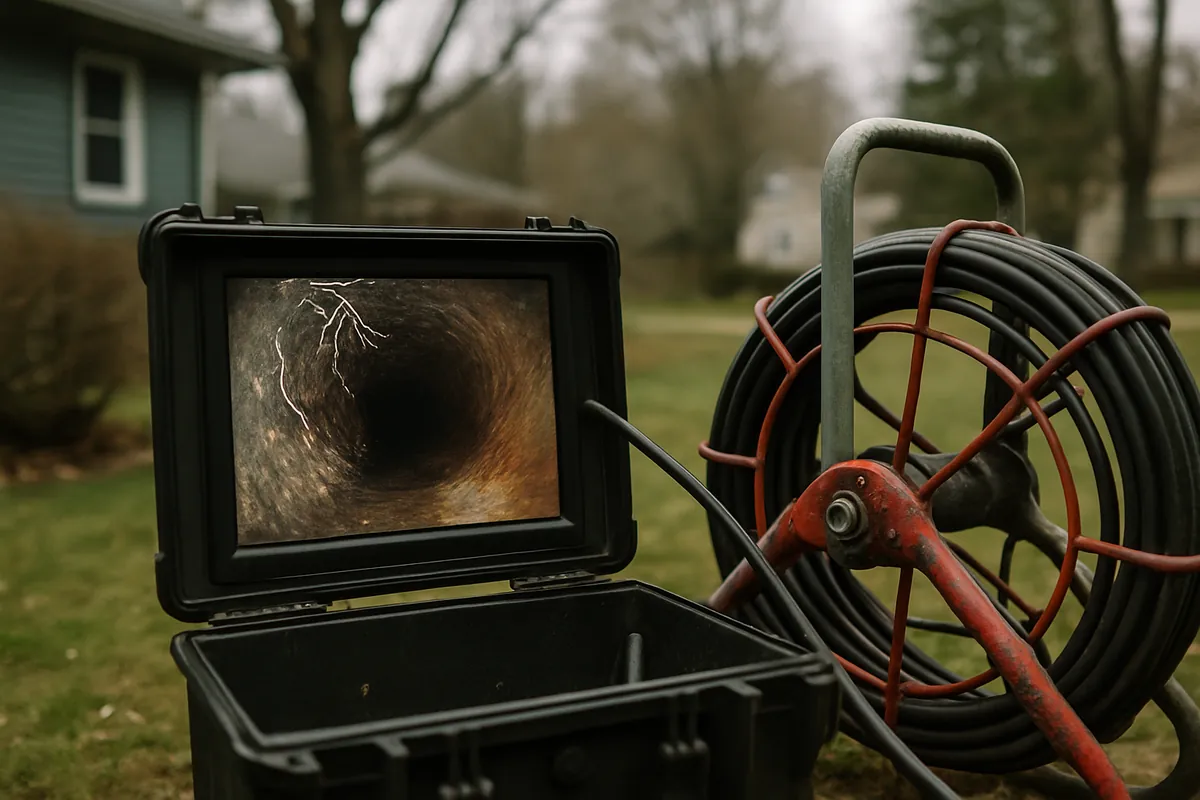
- A post-clearance sewer camera inspection, with footage identifying the accessible section inspected.
- An explanation of any remaining debris, visible pipe concerns or areas that could not be assessed.
- The contractor’s direction on controlled flow checks and returning fixtures and appliances to use.
Ask to keep the footage and written findings together. If visibility remains limited, ask what follow-up is needed before drawing a repair conclusion.
Require Pipe Evidence Before Approving Replacement
A wipe clog alone does not justify replacing a sewer. Ask the contractor to separate the removed obstruction from any confirmed defect in the pipe. If repair is recommended, request the relevant footage, an explanation of the defect and why clearance alone would leave it unresolved.
Where the assessment supports further work, discuss sewer line repair options for that specific finding. Ask which portion needs attention and what evidence supports the proposed scope. The contractor confirms specifics on assessment; the presence of wipes is not a substitute for that explanation.
If the line backs up again, stop wastewater use and share the earlier clearance notes and footage with the contractor. Record the new fixture pattern rather than repeatedly testing the drains. That handoff keeps the next decision tied to what was found in your line.
Common Questions
What should I tell the contractor about a suspected wipe clog?
Describe the affected fixtures, where wastewater appeared, what was running when it happened and whether the line has blocked before. Mention suspected wipes without treating them as a confirmed diagnosis. The contractor confirms the blockage location and suitable clearance approach on assessment.
Should I keep flushing to check whether the wipes have moved?
Pause flushing and other wastewater use while arranging assessment. Ask the contractor when and how to test the line rather than repeatedly adding water during an active backup.
What evidence should I keep after a wipe blockage is cleared?
Request the clearance notes and post-clearance footage, with an explanation of the section inspected, any remaining obstruction, visible pipe concerns and any portion the camera could not assess. Ask for the contractor's direction on returning fixtures to use.
Does finding wipes mean my New City sewer needs replacement?
Finding wipes alone does not establish a replacement need. Ask the contractor to distinguish removed debris from a confirmed pipe defect and explain the footage supporting any repair recommendation. The contractor confirms specifics on assessment.