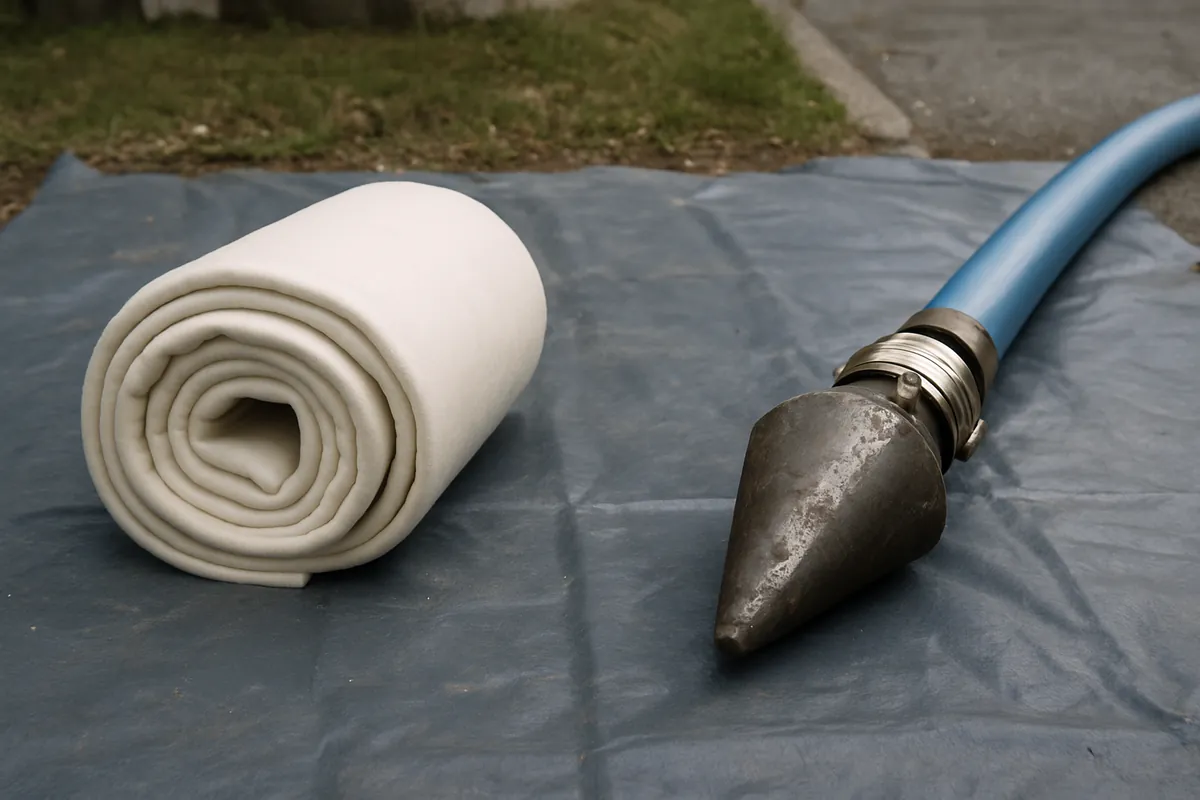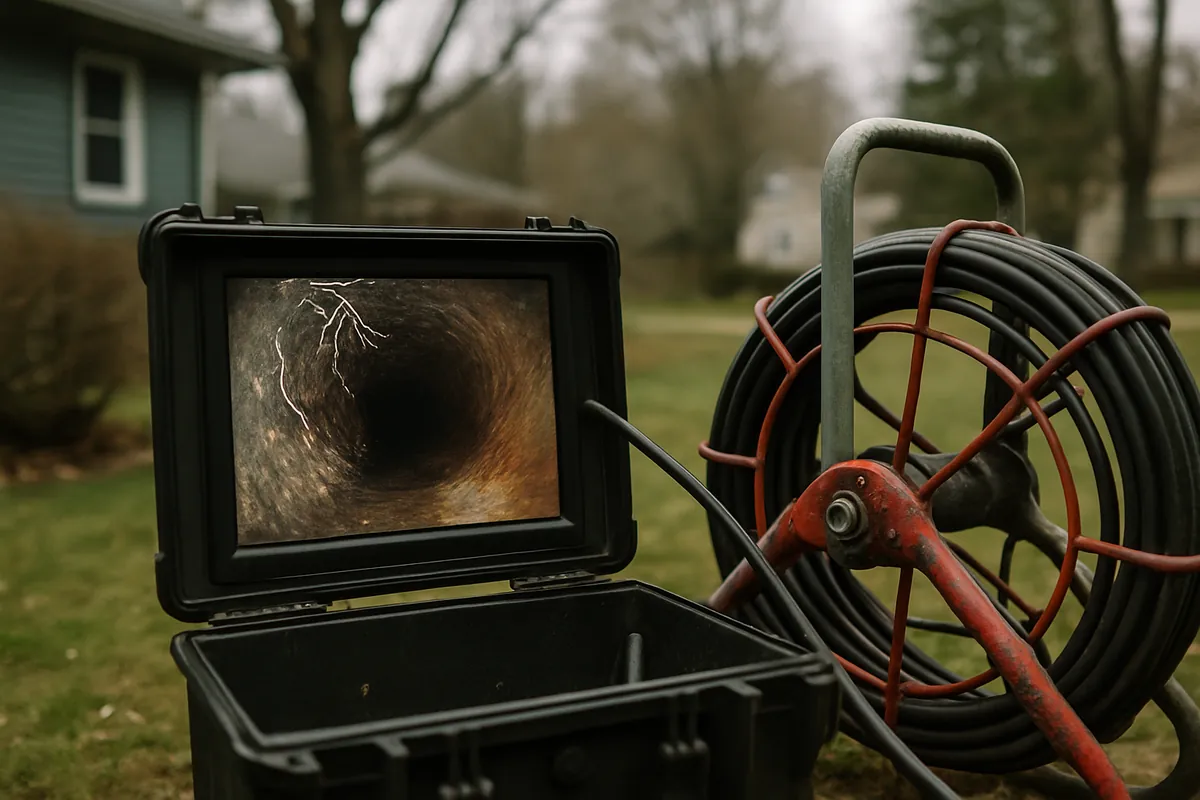
For a property manager in New City, Rockland County, New York, a request for commercial hydro jetting should start with the repeat-blockage history. A drain that flows again needs a documented handoff: where the obstruction was found, what was removed and what the inspected pipe looked like afterward. The contractor confirms specifics on assessment.
Rockland Sewer District’s restaurant notice identifies commercial grease obstruction as a local concern. That concern does not establish the cause of a particular property’s recurring backup. This guide focuses on gathering evidence for the next visit, rather than choosing a cleaning machine or setting a universal maintenance interval.
Keep a Repeat-Blockage Log Across Tenants
Use the same record for each incident so the next contractor can compare observations. During an active backup, pause discharge into the affected drains and coordinate that pause with tenants. Record what was already observed rather than running fixtures to recreate the problem.
| Log field | What to record |
|---|---|
| Incident timing | When symptoms appeared and which kitchen or tenant activities were underway |
| Fixture pattern | Affected sinks, floor drains and other fixtures, plus those apparently unaffected |
| Observed symptoms | Slow drainage, gurgling or the location where wastewater appeared |
| Earlier work | Cleaning report, access used, obstruction location and available footage |
| Debris findings | What the contractor identified or collected, including whether grease was confirmed |
| Separate maintenance | Interceptor service records supplied by its maintenance provider |
| Return to use | Contractor’s release instructions and any unresolved inspection limits |
Mark unknown details as unknown. Keep tenant observations separate from the contractor’s findings, and attach the actual reports rather than relying on a recollection that the line was cleared.
Map the Drain Route and Each Provider’s Boundary
Use this diagram as a discussion aid, then ask the providers to mark the actual connections. It is not an ownership map or an assumption that every fixture passes through an interceptor.
Kitchen fixtures
       |
       v
Interceptor, where connected
(maintained by another provider)
       |
       v
Building drain <--- Other fixture branches, as confirmed
       |
       v
Lateral
       |
       v
Public main
(confirm authority and connection boundary)
Ask the drain contractor to identify the section being assessed and the accessible endpoints. Confirm the interceptor boundary with its separate maintenance provider and the public connection boundary with the relevant sewer authority. Do not infer responsibility from the diagram or open public sewer covers to investigate.
Keep interceptor maintenance outside the sewer cleaning handoff. This guide does not propose grease-trap pumping, interceptor installation or hood cleaning, and the paperwork is not a compliance guarantee.
Prepare Access and Ask About Pipe Suitability
Before arranging hydro jetting assessment, share known cleanout locations, access restrictions, tenant operating needs and available drain plans. Ask who will provide entry, which fixtures must pause discharge and who will communicate the contractor’s return-to-use instructions to tenants.
Ask the contractor to assess pipe material, visible condition, connections and access before selecting the cleaning approach. Request an explanation of what can be inspected before clearance, what requires a clearer line and what remains inaccessible. Do not treat a previous successful cleaning as confirmation that the same approach suits the pipe now.
Request Debris Notes and Post-Cleaning Footage
Agree on the evidence handoff before work begins. Ask for:
- The access point used and the location of the obstruction relative to it.
- Notes on material observed or collected, distinguishing confirmed grease from other debris.
- Post-cleaning footage labeled to the inspected section and direction of travel.
- An explanation of remaining deposits, visible defects and any section that could not be inspected.
- The contractor’s controlled flow-check findings and instructions for returning fixtures to use.
Keep this packet with the blockage log and the separate interceptor records. If footage is missing or visibility remains limited, request the next assessment step rather than treating restored flow as a complete condition report.
Escalate to Repair When the Evidence Supports It
Ask for a structural repair assessment when post-cleaning footage identifies a defect that the contractor explains cannot be resolved by cleaning. Request the relevant footage, the affected segment and why the proposed repair addresses the recurring obstruction. A repeat grease finding alone should not substitute for that explanation.
If the same section blocks again, compare the incident log with the earlier footage and cleaning limits before approving another routine visit. Ask the contractor to distinguish residual deposits, a separate maintenance issue and a confirmed pipe defect. For supported repair findings, use the existing commercial sewer repair service page to discuss the scope. The contractor confirms repair suitability and project specifics on assessment.
End the handoff with a named contact for each provider, the outstanding questions and the evidence needed for the next decision. Ask for a maintenance plan based on the assessed line and recorded recurrence, with a clear trigger for review if symptoms return.
Common Questions
What should a manager send before a recurring commercial grease blockage visit?
Send the incident log, affected tenant and fixture list, access notes, earlier cleaning reports and available footage. Include separate interceptor service records from its provider. The contractor confirms the affected pipe section and suitable work on assessment.
Does a grease-line cleaning visit include interceptor maintenance?
Keep the scopes separate. Arrange interceptor maintenance through another provider and share its records with the drain contractor. Confirm where each provider's work begins and ends before scheduling.
What if the commercial drain blocks again after cleaning?
Record the new fixture pattern and compare the location with the earlier report. Ask the contractor to review post-cleaning footage, any inspection limits and evidence of a pipe defect before recommending further cleaning or structural repair.